


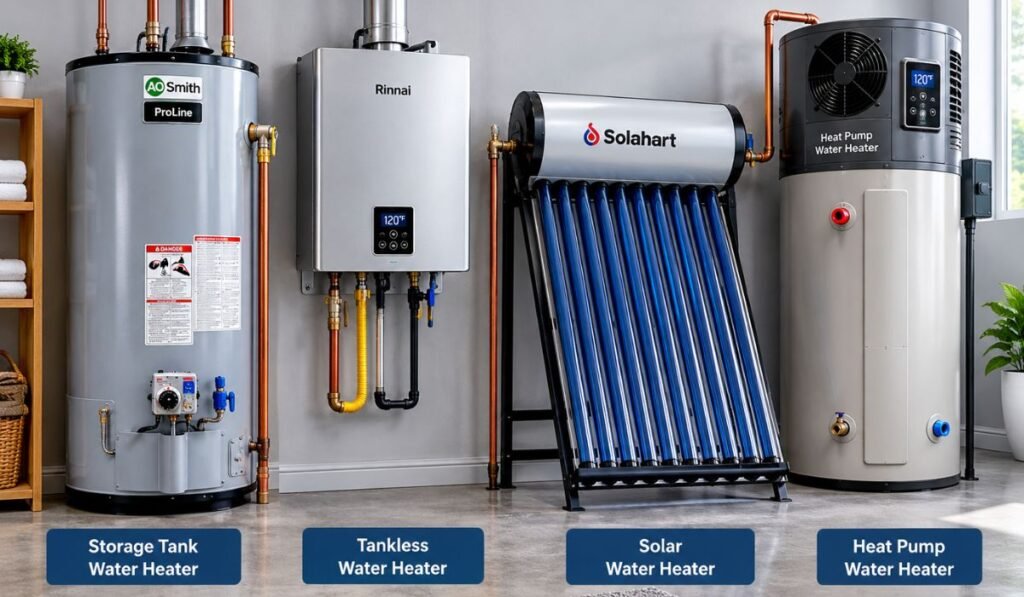
A water heater is one of the most important appliances in any home. It provides hot water for bathing, washing dishes, cleaning clothes, and many other daily tasks. Without a reliable everyday life can become uncomfortable, especially during cold weather.
Modern come in different sizes, designs, and technologies. Choosing the right model can save money, reduce energy use, and ensure a steady supply of hot water. In this guide, we will explain everything you need to know about a water heater, including types, benefits, installation tips, maintenance, and how to choose the best option for your home.
What Is a Water Heater?
A is a device that heats and stores water or heats it instantly when needed. It uses electricity, gas, solar energy, or other fuel sources to raise the water temperature.
Most households use a every day. Whether you are taking a shower, washing dishes, or cleaning clothes, hot water plays a major role in daily comfort.
How Does a Water Heater Work?
The working process of a is simple:
- Cold water enters the tank or heating system.
- The heating element or burner warms the water.
- Hot water is stored or supplied directly to faucets and appliances.
- Fresh cold water replaces the used hot water.
Different models use different methods, but the main goal remains the same: providing hot water efficiently.
Types of Water Heater
There are several types of available today. Understanding each type can help you make a better buying decision.
Storage Tank Water Heater
This is the most common type of It stores hot water in a tank and keeps it ready for use.
Advantages:
- Lower initial cost
- Easy installation
- Available in different sizes
Disadvantages:
- Uses more energy
- Limited hot water supply based on tank size
Tankless Water Heater
A tankless heats water only when needed.
Advantages:
- Energy efficient
- Unlimited hot water
- Space-saving design
Disadvantages:
- Higher purchase price
- Professional installation required
Solar Water Heater
A solar uses sunlight to heat water.
Advantages:
- Eco-friendly
- Lower electricity bills
- Long-term savings
Disadvantages:
- Higher setup cost
- Depends on sunlight availability
Heat Pump Water Heater
This type transfers heat from the surrounding air to warm water.
Advantages:
- Very energy efficient
- Lower operating costs
Disadvantages:
- Requires more installation space
- Higher upfront cost
Benefits of Installing a Water Heater
A good offers many benefits for homeowners.
Comfort and Convenience
Hot water is available whenever you need it. This makes bathing, cleaning, and household chores easier.
Energy Savings
Modern are designed to use less energy, helping reduce utility bills.
Better Hygiene
Hot water helps remove grease, bacteria, and dirt more effectively.
Increased Home Value
A quality can improve the value of a home, especially if it is energy efficient.
How to Choose the Right Water Heater
Choosing the best depends on several factors.
Household Size
A large family may need a bigger tank or a tankless system with higher capacity.
Energy Source
can run on:
- Electricity
- Natural gas
- Propane
- Solar energy
Choose the option that is available and cost-effective in your area.
Budget
Consider both the purchase price and long-term operating costs.
Installation Space
Tankless units need less space, while Storage tanks require a dedicated area.
Energy Efficiency
Look for models with high energy ratings to save money over time.
Water Heater Installation Tips
Proper installation is important for safety and performance.
- Hire a qualified technician.
- Choose the correct size.
- Ensure proper ventilation for gas models.
- Install pressure relief valves.
- Follow local building codes.
Professional installation helps avoid leaks, damage, and safety risks.
Water Heater Maintenance Guide
Regular maintenance keeps your working efficiently.
Flush the Tank
Sediment can build up over time. Flushing the tank once or twice a year improves performance.
Check the Anode Rod
The anode rod protects the tank from rust. Replace it when needed.
Inspect for Leaks
Small leaks can become major problems if ignored.
Test Temperature Settings
Most experts recommend setting the temperature around 120°F (49°C).
Schedule Professional Inspection
An annual inspection can identify issues before they become costly repairs.
Common Water Heater Problems
Even the best can experience problems.
No Hot Water
Possible causes:
- Faulty thermostat
- Broken heating element
- Gas supply issue
Water Leaks
Leaks may result from loose connections or a damaged tank.
Strange Noises
Sediment buildup often causes popping or rumbling sounds.
Rusty Water
Rusty water may indicate corrosion inside the tank.
Low Hot Water Pressure
Mineral deposits can block pipes and reduce water flow.
How Long Does a Water Heater Last?
The lifespan of a water heater depends on maintenance and usage.
- Traditional tank 8–12 years
- Tankless water heater: 15–20 years
- Solar 15–25 years
Regular maintenance can help extend the life of your system.
Energy-Saving Tips for Water Heater Owners
You can reduce energy costs with these simple tips:
- Lower the temperature setting.
- Insulate hot water pipes.
- Fix leaks quickly.
- Use energy-efficient fixtures.
- Upgrade to a modern water heater.
Small changes can make a noticeable difference in monthly bills.
Future Trends in Water Heater Technology
The water heater industry continues to improve with new technologies.
Some trends include:
- Smart water heaters with mobile controls
- Better energy efficiency
- Eco-friendly designs
- Solar integration
- Advanced safety features
These innovations provide better performance while reducing energy use.
Conclusion
A water heater is an essential appliance that brings comfort, convenience, and efficiency to modern homes. Whether you choose a storage tank, tankless, solar, or heat pump model, selecting the right system can improve your daily life and reduce energy costs.
Regular maintenance, proper installation, and energy-efficient choices will help your water heater perform well for many years. By understanding the different types and features available, homeowners can make informed decisions and enjoy a reliable supply of hot water every day.
FAQs
What is the best type of water heater?
The best water heater depends on your budget, household size, and energy needs. Tankless models are highly efficient, while storage tanks remain popular for lower upfront costs.
How often should I maintain my water heater?
Basic maintenance should be done once or twice a year.
How long does it take for a water heater to heat water?
Most storage water heaters take 30 to 60 minutes, while tankless models provide hot water almost instantly.
Is a tankless water heater worth it?
Yes, a tankless water heater can save energy and provide unlimited hot water.
What temperature should a water heater be set to?
A setting of 120°F (49°C) is generally recommended.
Read More About : Rovexamagazine