
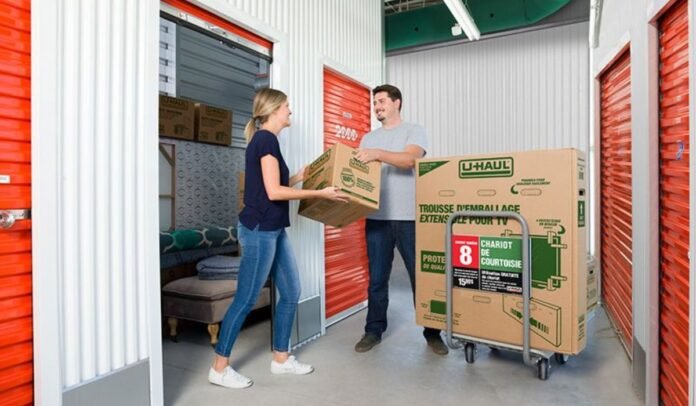

Choosing the right storage unit can be harder than it looks. A unit that is too small may leave you struggling to fit everything inside, while a unit that is too large can mean paying for space you do not really need. That is why understanding Storage Unit Sizes before renting a unit can save both money and time.
Storage units come in many sizes, from small lockers designed for a few boxes to large spaces that can hold the contents of an entire home. The best choice depends on what you want to store, how long you plan to keep it there, and whether you need room to move around inside the unit.
This guide explains common Storage unit sizes, what each size can hold, and how to choose the right option for your belongings.
Why Storage Unit Sizes Matter
Storage space is usually rented by size, so knowing how much space you actually need is important. You do not want to pay for a large unit when a smaller one would work perfectly.
At the same time, saving money by choosing a unit that is too small can create other problems. You may have to stack boxes dangerously high, leave furniture outside the unit, or rent another space.
The right storage unit should give you enough room to store your belongings safely and, when necessary, access them without removing everything first.
Common Storage Unit Sizes
Storage facilities usually offer several standard sizes. Exact dimensions can vary from one facility to another, but the following options are common.
5 x 5 Storage Unit
A 5 x 5 unit provides about 25 square feet of floor space. It is one of the smaller options available.
This size can work well for people who only need to store a limited number of belongings. You might use it for:
- Several boxes
- Seasonal decorations
- Small household items
- Clothing
- Sports equipment
- Small office supplies
- Personal documents
A 5 x 5 unit is generally not suitable for large furniture or the contents of an entire room.
5 x 10 Storage Unit
A 5 x 10 unit offers around 50 square feet of floor space. It is roughly the size of a small walk-in closet.
Depending on how efficiently you pack, it may hold the contents of a studio apartment or a small bedroom. Typical items might include boxes, a mattress, a dresser, chairs, and smaller household furniture.
This can also be a useful choice for students who need temporary storage during a move or school break.
10 x 10 Storage Unit
The 10 x 10 unit is one of the most popular storage choices. It provides about 100 square feet of floor space.
A unit this size can often hold the belongings from a one-bedroom apartment or several rooms of furniture.
You may be able to store:
- Beds
- Sofas
- Tables
- Chairs
- Dressers
- Appliances
- Moving boxes
- Bicycles
- Seasonal items
The way you organize the unit makes a big difference. Furniture that can be disassembled will usually take up less space.
10 x 15 Storage Unit
A 10 x 15 unit provides approximately 150 square feet of floor space. It gives you noticeably more room than a 10 x 10 unit without moving into the largest storage categories.
This size can be useful for a larger apartment or a small house. It may accommodate several large furniture pieces along with appliances and boxes.
If you are moving between homes and need temporary storage for most of your household belongings, a 10 x 15 unit may be worth considering.
10 x 20 Storage Unit
With approximately 200 square feet of floor space, a 10 x 20 unit is a large storage option.
It can potentially hold the contents of a multi-bedroom home, depending on the amount of furniture and how everything is packed.
People may choose this size when they are:
- Moving to a new home
- Renovating their house
- Storing business equipment
- Keeping large furniture
- Combining belongings from multiple rooms
A 10 x 20 unit can also provide enough room for larger items that would not fit comfortably in smaller units.
10 x 30 Storage Unit
A 10 x 30 unit offers around 300 square feet of floor space. This is one of the larger standard storage options.
It can be useful for storing the contents of a large house, business inventory, equipment, or bulky furniture.
Businesses may also use larger storage spaces to keep excess stock, supplies, files, tools, or equipment without filling their main workplace.
Storage Unit Size Comparison
Here is a simple way to understand common sizes:
| Storage Unit Size | Approx. Floor Space | Common Uses |
| 5 x 5 | 25 sq. ft. | Boxes, clothes, small items |
| 5 x 10 | 50 sq. ft. | Small room or studio belongings |
| 10 x 10 | 100 sq. ft. | One-bedroom apartment |
| 10 x 15 | 150 sq. ft. | Larger apartment |
| 10 x 20 | 200 sq. ft. | Multi-bedroom home |
| 10 x 30 | 300 sq. ft. | Large home or business storage |
These are general estimates. Storage facilities can have different ceiling heights, door sizes, and layouts, so always check the exact dimensions before renting.
How to Choose the Right Storage Unit Size
The best way to select a unit is to start with the belongings you actually plan to store.
Make a list of your large items first. This Could include beds, sofas, wardrobes, tables, appliances, cabinets, and other furniture.
Then count your boxes and smaller items. Once you have an idea of the total amount, compare your belongings with the available storage sizes.
It is also important to think about how often you will need access to your belongings.
If you are storing items that you will not touch for a year, you can usually pack the unit more tightly. But if you expect to visit the unit regularly, leaving a small walkway can make life much easier.
Think About the Height of the Unit
Many people only think about floor space when comparing storage unit sizes. However, vertical space can be just as useful.
If a unit has a high ceiling, you may be able to stack sturdy boxes on top of one another. Shelving can also help you use the available height.
However, avoid stacking items so high that they become unstable or difficult to reach. Heavy boxes should generally stay lower, while lighter items can be placed higher.
Before renting, ask the facility about the ceiling height as well as the floor dimensions.
Make a Storage Inventory
Creating an inventory can make choosing a unit much easier.
Write down everything you intend to store and group similar items together. For example, you might have separate categories for furniture, kitchen items, clothing, documents, electronics, and seasonal decorations.
Taking measurements of large furniture can also help.
A sofa that looks manageable in your home may take up considerable space inside a storage unit. Knowing the dimensions beforehand can prevent unpleasant surprises.
Leave Room for Access
One common mistake is filling every available inch of a storage unit.
Although maximizing space can seem efficient, it may make your belongings difficult to reach. If you need something at the back, you might have to move several boxes and pieces of furniture.
If you expect to access your items regularly, create a narrow walkway. Keep frequently used items closer to the entrance and things you rarely need toward the back.
Clear labels on boxes can also save time.
Pack Your Storage Unit Properly
Good packing can make a smaller storage unit much more useful.
Start by placing larger and heavier items toward the back or bottom, depending on the layout. Use strong boxes of similar sizes where possible because they are easier to stack.
Disassemble furniture when it is safe to do so. For example, removing table legs can reduce the amount of floor space required.
Use protective covers for mattresses, sofas, and other furniture. Keep valuable or sensitive belongings away from conditions that could cause damage.
Do not block ventilation areas if the facility provides them.
Should You Rent a Larger Unit?
Sometimes paying for a slightly larger unit makes sense.
For example, if your belongings technically fit into a 10 x 10 unit but leave no space to walk or reach the back, moving up to a 10 x 15 unit could make storage much easier.
However, there is no need to automatically choose the biggest unit available. Larger units generally cost more, and unused space means you may be paying for something you do not need.
The goal is to find a practical balance between capacity, accessibility, and price.
Storage Unit Sizes for Moving
Moving is one of the most common reasons people rent storage space.
If you are moving from a small apartment, a smaller unit may be enough. A larger house usually requires a larger unit, especially if you are storing furniture, appliances, and many boxes.
The length of your storage period also matters. If you are storing everything for only a few weeks, you may organize the unit differently than if you plan to keep your belongings there for several months.
Consider which items you will need first when you move into your new home. Put those belongings near the entrance so they are easier to retrieve.
Storage for Businesses
Storage units are not only for household belongings. Small businesses can also use them for inventory, equipment, office furniture, documents, and supplies.
A business that does not have enough warehouse space may benefit from renting a storage unit for extra stock.
Before using a unit for business purposes, check the facility’s rules. Some storage facilities have restrictions regarding commercial activities, certain types of goods, or customer access.
What Not to Store
Choosing the correct unit size is important, but so is knowing what can safely be stored.
Storage facilities commonly restrict hazardous materials, illegal items, and certain perishable goods. Rules can vary between facilities.
Avoid putting food or other items inside a unit if they could attract insects or rodents. You should also follow the facility’s rules for liquids, chemicals, flammable materials, and other restricted items.
Always read the rental agreement before moving your belongings in.
Conclusion
Understanding Storage Unit Sizes can help you avoid paying for unnecessary space while making sure your belongings fit comfortably. Small units such as 5 x 5 or 5 x 10 can work for boxes and personal items, while 10 x 10 and larger units are better suited to furniture and household contents.
Before making a decision, create an inventory, measure your largest belongings, consider the height of the unit, and think about how often you will need access. Good organization can also make a major difference in how much you can fit into a storage space.
The right storage unit is not necessarily the biggest or cheapest option. It is the one that gives you enough room for your belongings while keeping everything organized, accessible, and protected.
FAQs
What is the most common storage unit size?
The 10 x 10 storage unit is one of the most commonly offered sizes. It provides around 100 square feet of floor space and can work well for the contents of a small apartment or several rooms.
What storage unit size do I need for a one-bedroom apartment?
A 5 x 10 or 10 x 10 unit may be suitable for a one-bedroom apartment, depending on how much furniture and how many boxes you have.
Can a storage unit hold furniture?
Yes. Many storage units are designed to hold furniture such as beds, sofas, tables, wardrobes, chairs, and dressers. The appropriate size depends on the amount and dimensions of the furniture.
Is a bigger storage unit always better?
Not necessarily. A larger unit provides more space but usually costs more. If you do not need the extra capacity, a smaller unit may be more practical.
How can I make the most of my storage unit?
Use sturdy boxes, label everything, disassemble furniture when possible, stack items safely, and keep frequently needed belongings near the entrance. Using vertical space can also help you maximize the available area.
Read More About : Rovexamagazine